
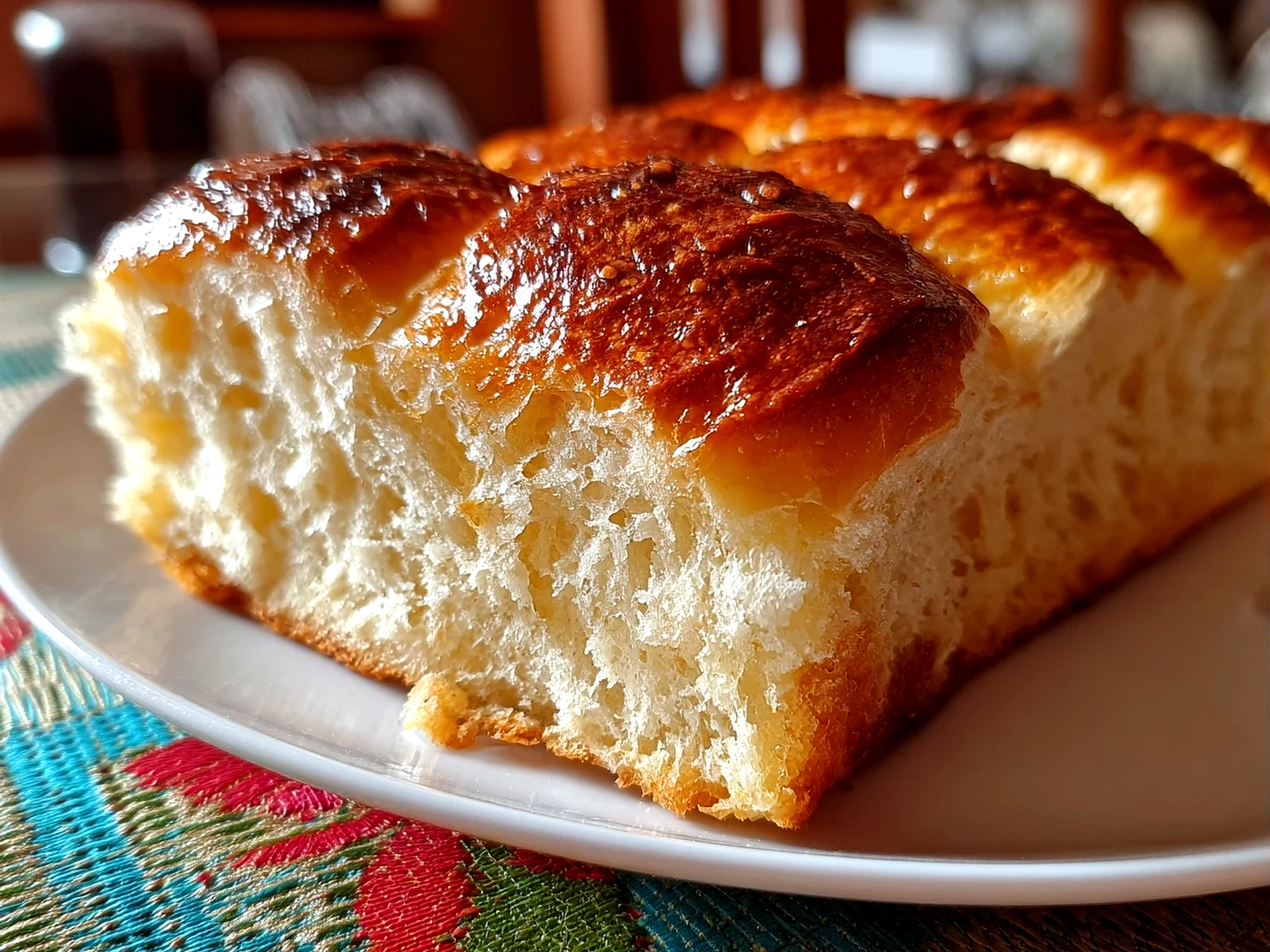
I still remember the exact moment when I got hooked on making homemade bread. It wasn’t my first try, but that breakthrough when the crust came out golden and the inside was soft and tender—that feeling stuck with me. Homemade bread has since earned a special place in my kitchen because it’s more than just food; it’s comfort, tradition, and a little daily victory rolled into one.
This homemade bread recipe fits perfectly into my baking life because it’s straightforward enough for any day yet special enough to share at the family table. There’s something magical about fresh bread baking—the warm scent filling your home, the gentle crackle as the loaf cools, and the irresistible first slice. I’ve found that no matter how busy or stressed I am, making homemade bread brings a quiet joy to my day.
What I love most is how this recipe blends ease with classic flavor. It’s a reliable go-to, whether I’m pulling together a quick dinner or preparing for a special gathering. And hearing friends say it tastes like something right out of an artisan bakery? Well, that’s just the cherry on top! If you’re ready to roll up your sleeves alongside me, let’s dive into this lovely homemade bread that’s sure to become a family favorite.
If you enjoy this kind of homemade yeast bread, you might also love learning more about bread dough preparation on Artisan Bread in Five. It’s a great resource to complement this recipe.
What You’ll Need for This Homemade Bread:
Here’s the simple, trusty list of ingredients that make this homemade bread sing:
- 3 ½ cups all-purpose flour (Don’t have all-purpose? Bread flour works beautifully here too)
- 1 ¼ cups warm water (Around 110°F; just warm to the touch, not hot)
- 2 teaspoons active dry yeast (You can find this at most grocery stores)
- 2 tablespoons olive oil (A good easy swap is melted butter; it adds a lovely richness)
- 1 tablespoon sugar (This helps feed the yeast so your homemade bread rises perfectly)
- 2 teaspoons salt (I always add a bit extra—it balances the sweetness nicely)
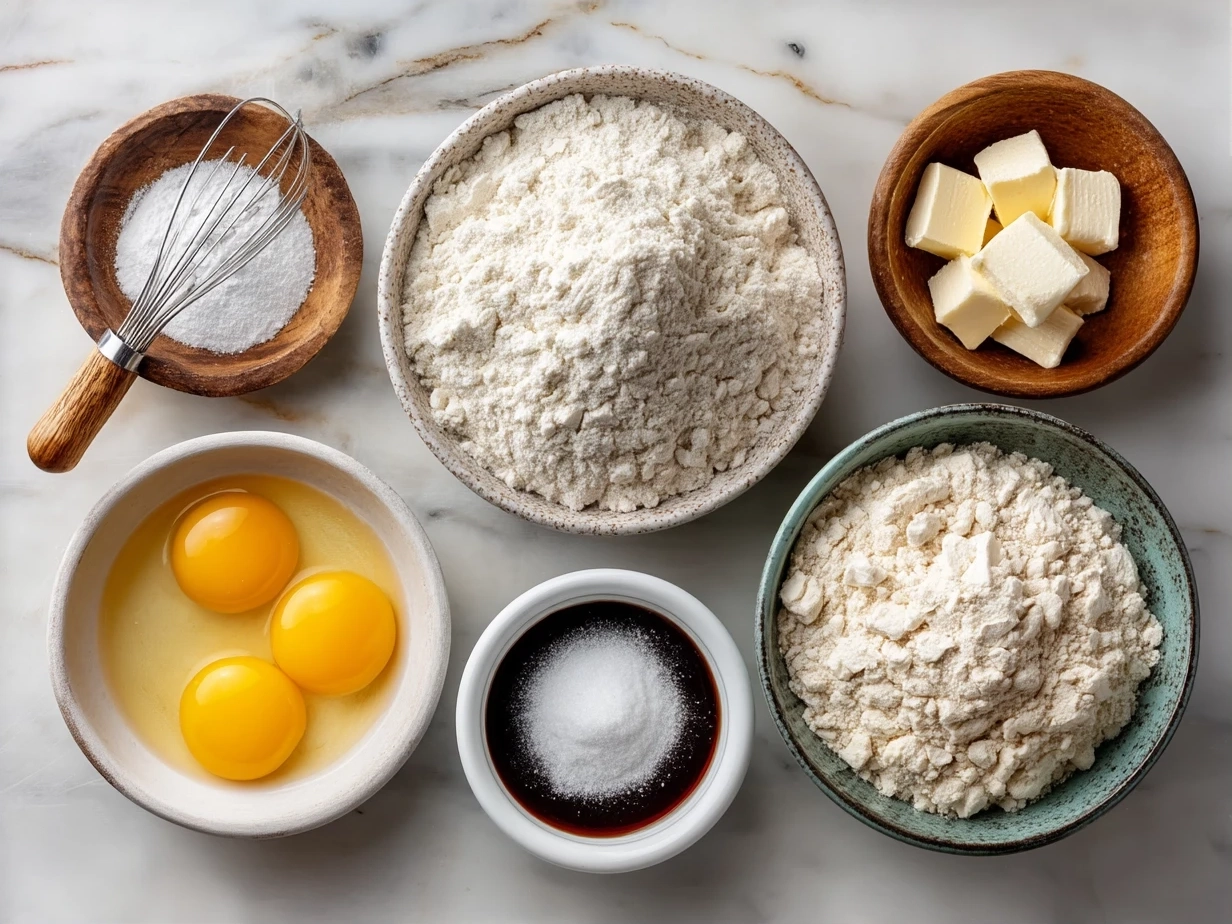
This homemade bread uses simple ingredients because great baking should be easy to start, even if your pantry is modest. The yeast is a staple baking ingredient but don’t stress if you want to explore homemade yeast bread options; instant yeast can substitute here too with slight adjustments. A quick tip: measure your flour lightly to avoid dense bread, and if you want a slightly softer crust, add an extra teaspoon of olive oil.
Budget-friendly and approachable, this homemade bread fits right into everyday baking. Plus, storing your yeast in the refrigerator helps it last longer, so you’re always ready for fresh bread baking whenever the mood strikes.
If you want to save a bit of time on your next bake, mix your dry ingredients early in the day, so bread dough preparation feels faster when you’re ready to start.
How to Make This Homemade Bread:
Ready to start? Making this homemade bread takes about 3 hours from start to finish, but most of that time is hands-off, so feel free to multitask while the magic happens.
- Activate the yeast: In a small bowl, stir the warm water and sugar, then sprinkle in the yeast. Let it sit 5 to 10 minutes until foamy—a key sign that your yeast is lively and ready for your homemade bread.
- Mix the dough: In a large bowl, combine the flour and salt. Add the olive oil and the yeast mixture. Stir until a shaggy dough forms. This is the stage where bread dough preparation starts to feel like something special.
- Knead the dough: Turn the dough onto a lightly floured surface. Knead for about 8 to 10 minutes until smooth and elastic. This gentle, rhythmic motion is where many bakers find the meditative joy of homemade bread.
- First rise: Place your dough in a lightly oiled bowl and cover it with a clean kitchen towel or plastic wrap. Let it rise in a warm spot for about 1 to 1½ hours, or until it doubles in size. If your homemade bread looks like a puffy balloon, you’re exactly on track.
- Shape the loaf: Punch down the dough gently, then shape it into a round or oval loaf. Place it on a parchment-lined baking sheet or in a loaf pan. Cover and let it rise again for 30 to 45 minutes.
- Preheat the oven: While the dough is rising, preheat your oven to 375°F. Your kitchen will start to smell heavenly as the bread bakes.
- Bake: Slash the top of your loaf once or twice with a sharp knife. This little cut helps the bread expand without cracking wildly. Bake for 25 to 30 minutes or until the crust is golden and sounds hollow when tapped.
- Cool and enjoy: Allow the homemade bread to cool on a rack before slicing. This step helps set the texture and makes slicing easier.
While your homemade bread bakes, take a moment to tidy up or enjoy a cup of tea. This is the quiet joy of fresh bread baking—time that feels both busy and beautifully unhurried.
Here’s a helpful note: every oven varies, so if your bread is browning too quickly, tent it with foil halfway through baking.
If you want a shortcut for busy evenings, try this quick bread dough preparation trick: make the dough the night before, refrigerate it, and bake fresh in the morning. It’s a lifesaver!
For more easy bread recipes, check out how others share simple bread dough preparation tips on r/Breadit.
Serving Your Homemade Bread:
This homemade bread really shines when served warm, slathered with homemade butter or your favorite jam. For a family favorite, try dipping it in olive oil with a sprinkle of herbs—simple and delicious.
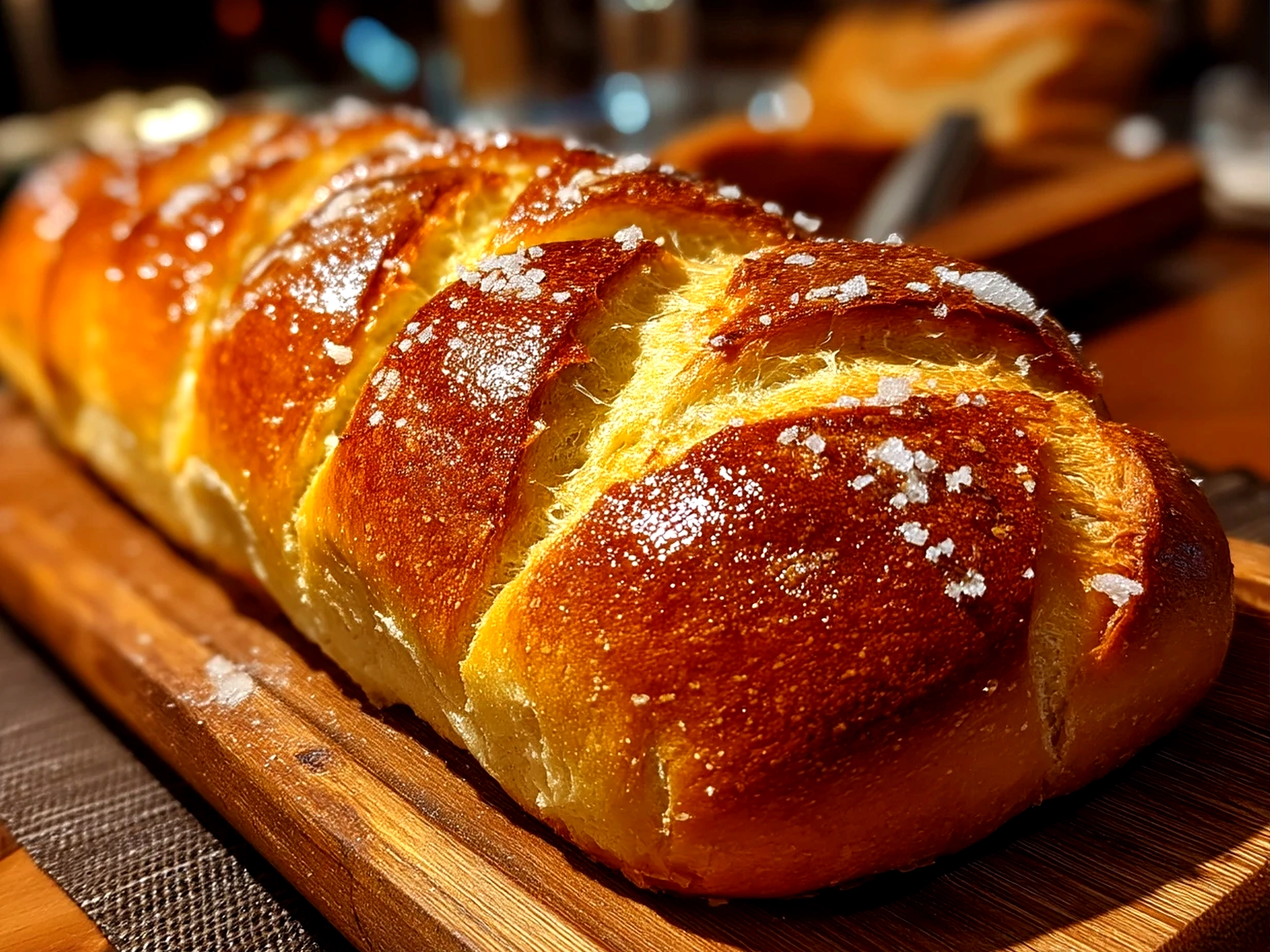
I love serving this homemade bread alongside dinner plates, especially on weekends when friends gather over a hearty meal. It pairs wonderfully with soups, stews, or a vibrant salad—the kind of comfort food that feels like a hug.
Leftover homemade bread? No problem. Turn slices into croutons for your next salad or toast them for breakfast with avocado. I’ve even frozen extra loaves wrapped tightly in foil, so fresh homemade bread is always just minutes away.
Seasonal variations add a fun twist too! In cooler months, try adding a tablespoon of herbs like rosemary or thyme to the dough. It brings a lovely earthy note and makes your homemade bread feel extra special.
If you’re curious about more unique uses, my cheddar jalapeno cornbread muffins recipe might inspire you next, which you can find at CakesByBelinda.
Common Questions About This Homemade Bread:
Can I make this homemade bread ahead of time?
Absolutely! You can prepare the dough the night before and refrigerate it. Just bring it to room temperature before the final rise and bake as usual.
What’s a good substitute for olive oil in this homemade bread?
Melted butter works beautifully, lending a richer flavor. Vegetable oil also works in a pinch, but I find butter or olive oil gives the best texture.
How do I adjust this homemade bread for different pan sizes?
If you want smaller loaves or rolls, divide the dough accordingly. Adjust baking time—smaller loaves typically bake faster, so start checking around 20 minutes.
Why isn’t my homemade bread rising as expected?
Check your yeast—it needs to be fresh and active. The water should be warm, not hot, and the dough needs a warm spot for rising. I often keep mine near the oven while it preheats.
Can I make this homemade yeast bread gluten-free?
This recipe relies on gluten for structure, but there are gluten-free flour blends out there designed for bread baking. Try a tested gluten-free bread recipe for best results.
How do I get that artisan bread at home crust?
Try baking your loaf with a pan of water in the oven to create steam, which helps develop a crisp crust. I’ve read some great tutorials at The Clever Carrot that dive deep into this technique.
Is kneading necessary for this homemade bread?
Kneading develops gluten, giving bread its chewy texture. You can try some no-knead methods, but this recipe is designed to get great results with a simple knead.
If you ever feel overwhelmed, remember, baking homemade bread is a skill that gets better with every loaf. I’ve had batches that look less perfect but tasted delicious—keep going!
For other lovely recipes that pair well with your homemade bread, you might enjoy my cinnamon swirl banana bread or gingerbread protein snacks—both are easy and fun.
Final Thoughts on This Homemade Bread:
This homemade bread recipe has earned a home in my baking collection because it’s reliable, approachable, and always delivers that wonderful feeling of fresh bread baking. What I love most is how this recipe welcomes bakers of all levels and fills the home with warmth.
My Top Tips for This Homemade Bread:
– Use warm water to activate the yeast properly—it makes all the difference.
– Don’t rush the rising times; patient dough means better texture and flavor.
– Slash the top before baking to give your loaf a beautiful, controlled expansion.
Variations I enjoy often include adding whole wheat flour for a nuttier taste or folding in some olives or roasted garlic for a savory touch. The version most requested at my gatherings is the classic recipe with a crispy crust—simple and delicious every time.
I encourage you to make this homemade bread your own by trying different flour blends, adding herbs, or experimenting with shapes. Baking is about joy and discovery, and there’s nothing like pulling a perfect loaf of homemade bread from your oven.
I hope you love the process as much as the results. Remember, every loaf is a step in your baking journey, and this recipe is here to be a faithful and tasty companion.
Happy baking, friends!
Homemade Bread

Discover the simple joy of baking homemade bread with this easy-to-follow recipe that yields a soft, crusty loaf perfect for any meal.
- Prep Time: 15 minutes
- Cook Time: 35 minutes
- Total Time: 1 hour 45 minutes
- Yield: 1 loaf
- Category: Dinner
- Method: Baked
- Cuisine: American
Ingredients
- 3 1/2 cups all-purpose flour
- 1 packet (2 1/4 tsp) active dry yeast
- 1 1/4 cups warm water (110°F)
- 1 tablespoon sugar
- 2 teaspoons salt
- 2 tablespoons olive oil
Instructions
- In a small bowl, dissolve sugar in warm water, then sprinkle yeast over top. Let stand for 5-10 minutes until foamy.
- In a large bowl, combine flour and salt.
- Add the yeast mixture and olive oil to the flour mixture. Stir until a dough forms.
- Turn dough onto a floured surface and knead for 8-10 minutes until smooth and elastic.
- Place dough in a greased bowl, cover with a damp cloth, and let rise in a warm place for about 1 hour or until doubled in size.
- Punch down the dough and shape it into a loaf. Place in a greased loaf pan.
- Cover and let rise for another 30-45 minutes until doubled.
- Preheat oven to 375°F (190°C). Bake the bread for 30-35 minutes until golden brown and sounds hollow when tapped.
- Remove from oven and cool on a wire rack before slicing.
Notes
For a richer flavor, brush the top with melted butter as soon as it comes out of the oven.